Fitting, and an outdoor socket
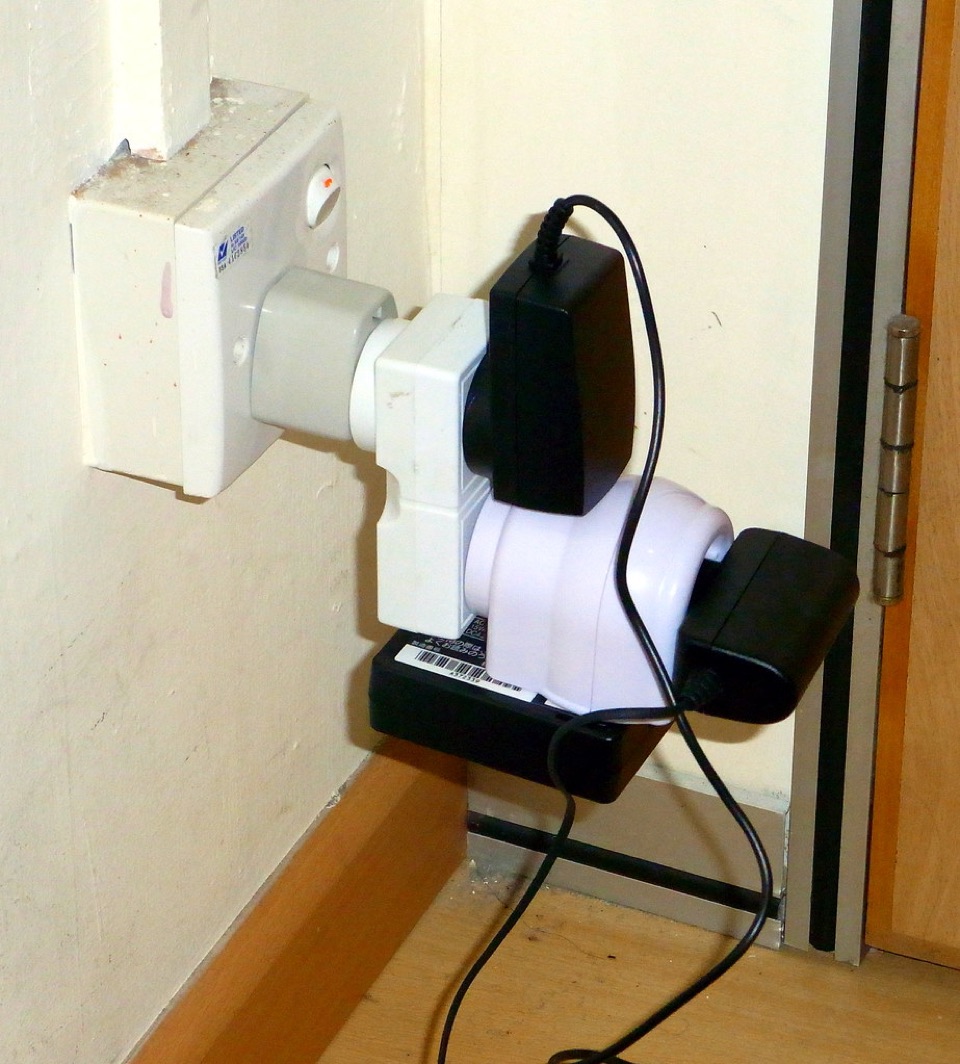
An electrician fits a weatherproof socket if you need one.
Plug-in Solar South East / A surface and planning check
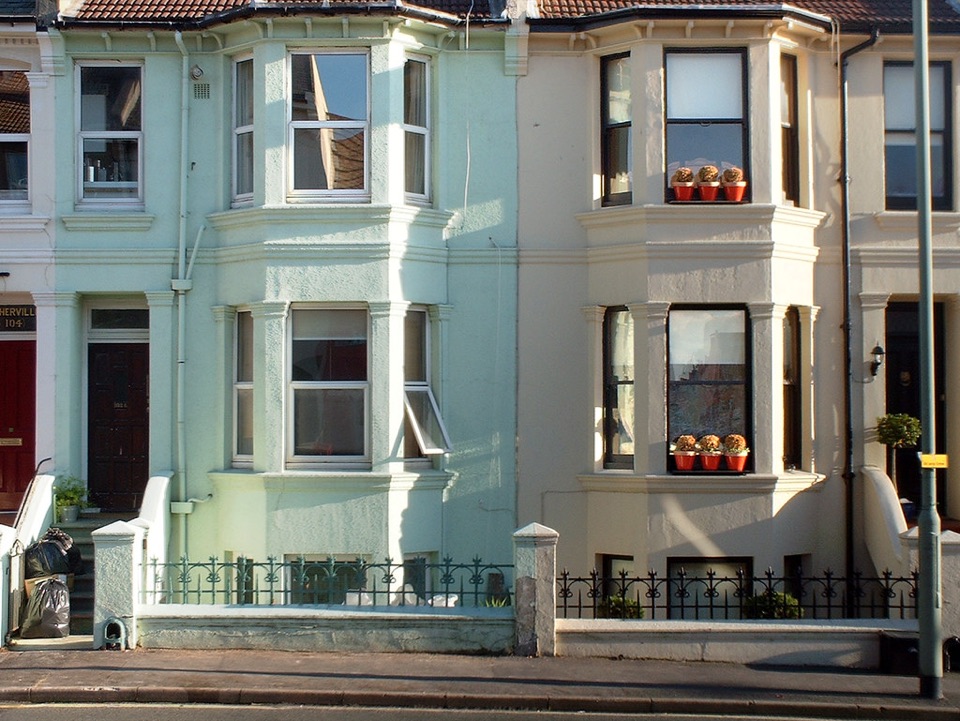
Before anyone quotes, we look at where the panel would go. Brick, tile and render are usually fine. The new rules leave out weatherboard and timber balconies.
Great Britain legalised plug-in solar on 27 August 2026. The regulations behind it were made in July 2026, amending both the plugs and sockets rules and the electricity safety rules.
The permitted development right for solar equipment on a house or a block of flats was rewritten on the same day, and plug-in solar is now named in it directly. So the answer for your home may not match what a rooftop installer told you a year ago.
There's a twelve month changeover running to 27 August 2027. Until then you can follow either the old rules or the new ones.
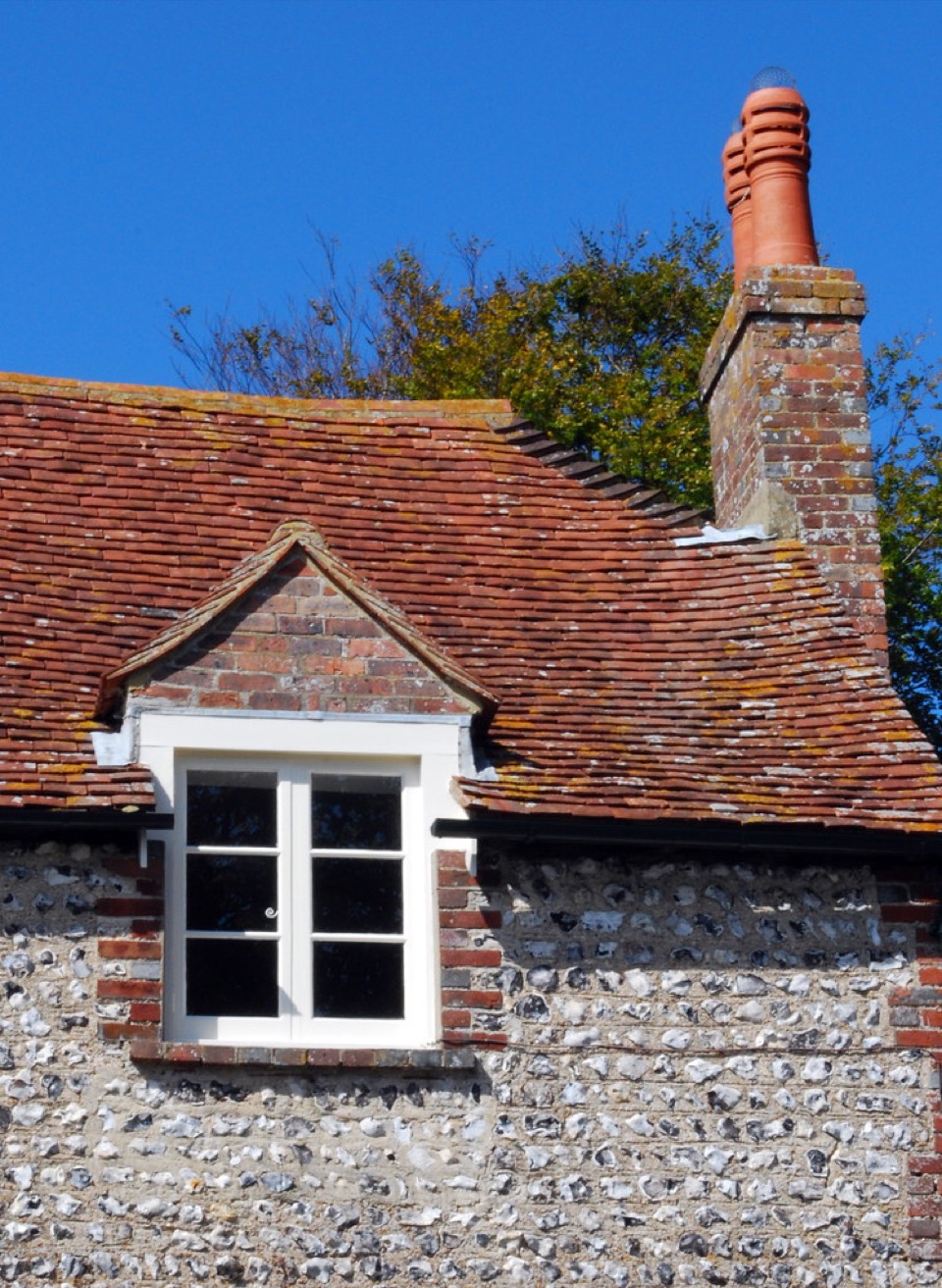
The rewritten right rules out a plug-in solar installation on a wooden wall, a balcony or timber cladding, stated once for houses and once for blocks of flats.
This comes up a lot here. Weatherboard is ordinary housing across the Weald and the Kent marshes, and hung tile and timber frame run through Surrey into Hampshire, so a timber balcony or a clad wall means you can't rely on the permitted development right.
The next question is whether a planning application is worth making, and often it isn't. The government's own assessment expects the fees and paperwork to outweigh what the kit costs and saves.
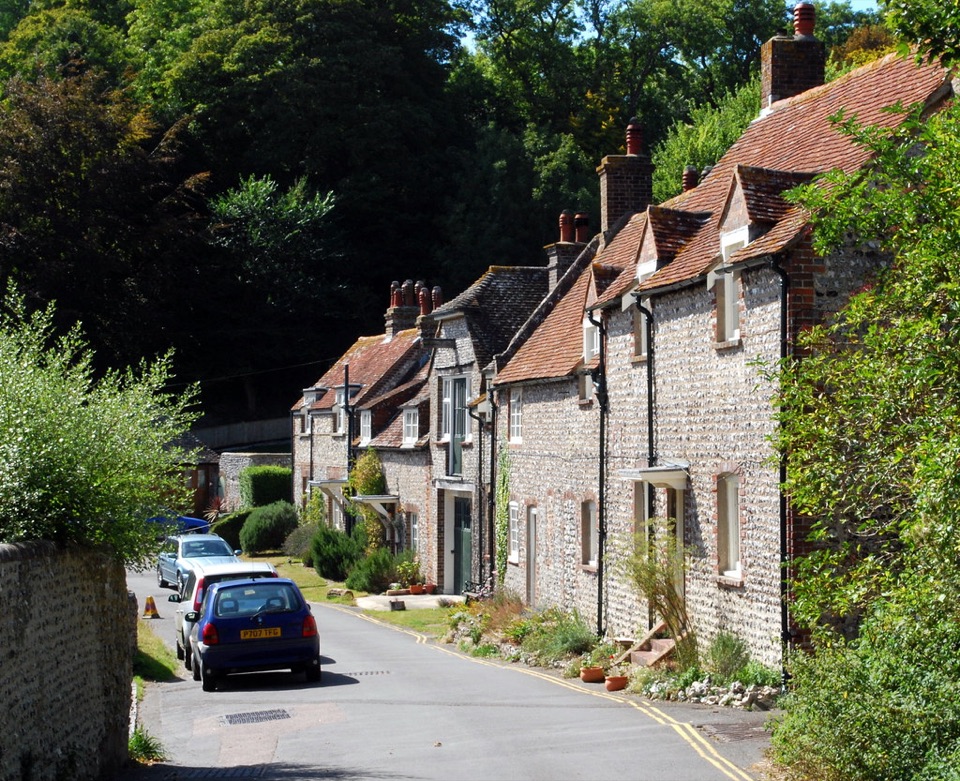
The South East has a lot of protected housing, so three situations come up often.
A tape will settle most of this before you speak to anyone.
The right comes with conditions attached. Meet them and there is nothing to apply for. Miss one and you have to. Telling you which of the two is true for your home is the job we do.
We check the panel as well as the wall. A compliant panel is type tested against G98 and listed on the Energy Networks Association's type test register, and its manufacturer holds confirmation it was assessed as compliant before going on sale. If a kit is not on that register, it has not been through the assessment.
These are the limits to know before you buy anything. The maximum apparent power to the mains is 800 VA and the maximum current is 3.5 A. You can feed it up to 2000 W of PV modules, up to four modules per inverter, with no more than two in series in any one string. A panel's wattage and its output are not the same number, so check that a listing quotes both.
You get one email back. It names the rule that covers your surface, says what the projection limits allow at your home, and gives the figure your position would make in a year. It names the network operator too. If the right does not cover your wall, the email says so in the first line.
Tell us where the panel would go and what the surface is made of. We reply by email, and we say so if it will not work.
Check my addressSend it with the surface you have in mind and we will do the rest.
Five boxes: name, postcode, email, where the panel would go and what the surface is made of. You get one email back: the rule for your surface, a yearly figure, and which operator you're under.
We reply by email. Your postcode isn't passed to anyone and we don't take commission.