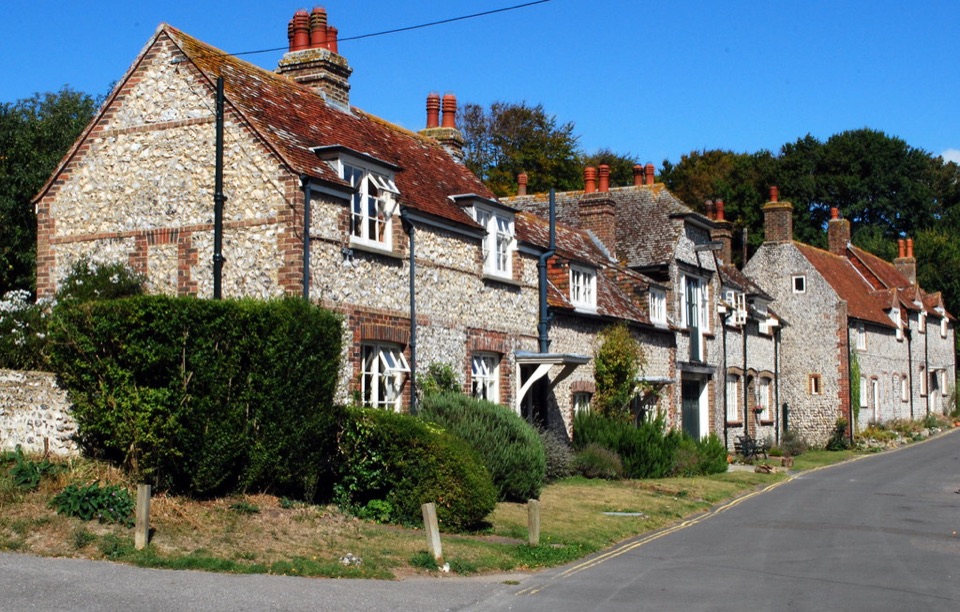
A surface and planning check
We check where the panel would go against the planning rules.
Plug-in Solar South East / Fitting, and an outdoor socket
The panel plugs into an ordinary socket. If that socket needs to be outside, it must be a weatherproof type and an electrician has to fit it. We'll sort that out.
The interim product specification assumes an ordinary person will install and operate the device, not an electrician. The panel, its plug and its connectors all arrive ready, and plugging in is all there is left to do.
The inverter, plug and socket can sit inside or outside the house. Where DC cables run from outdoors into the building, the manufacturer has to supply the connectors along with clear instructions on routing them.
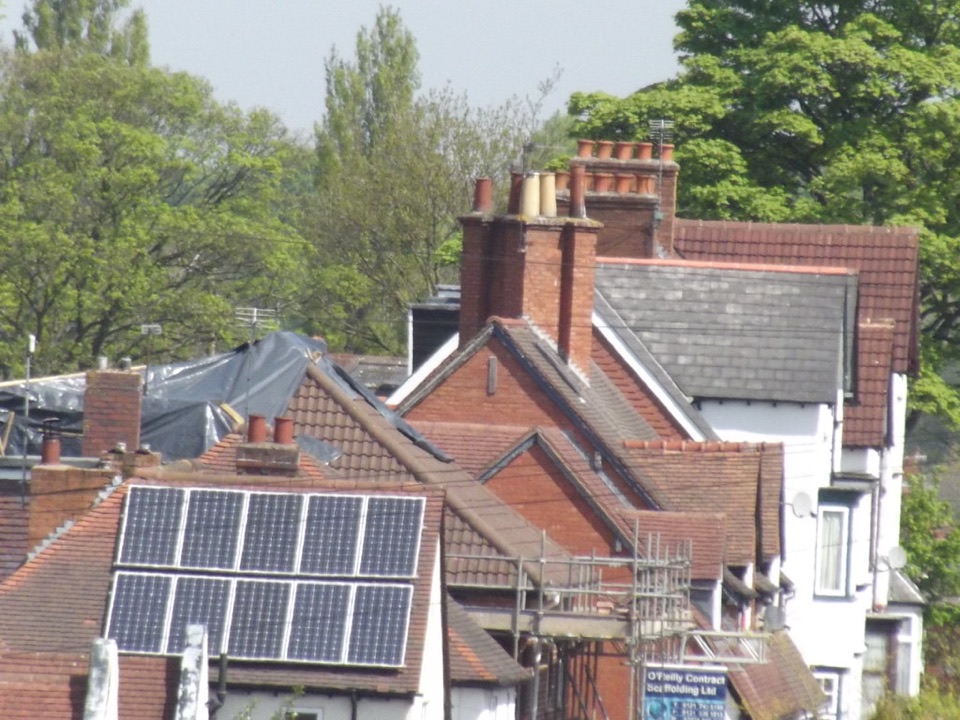
If the plug and socket will be mounted outside, the socket needs an IP55 rating or better, and most homes here do not already have one. A local electrician prices that work, and it is usually the only part you pay for.
If your home already has an outdoor socket, we need to know what it is rated to and what circuit it sits on.
The specification names these twice, once as a warning printed on the device and once as information in the instructions.
When a panel sits on a balcony or out in the garden, that is usually when someone reaches for an extension lead. If the only socket is in the wrong place, get one fitted in the right place.
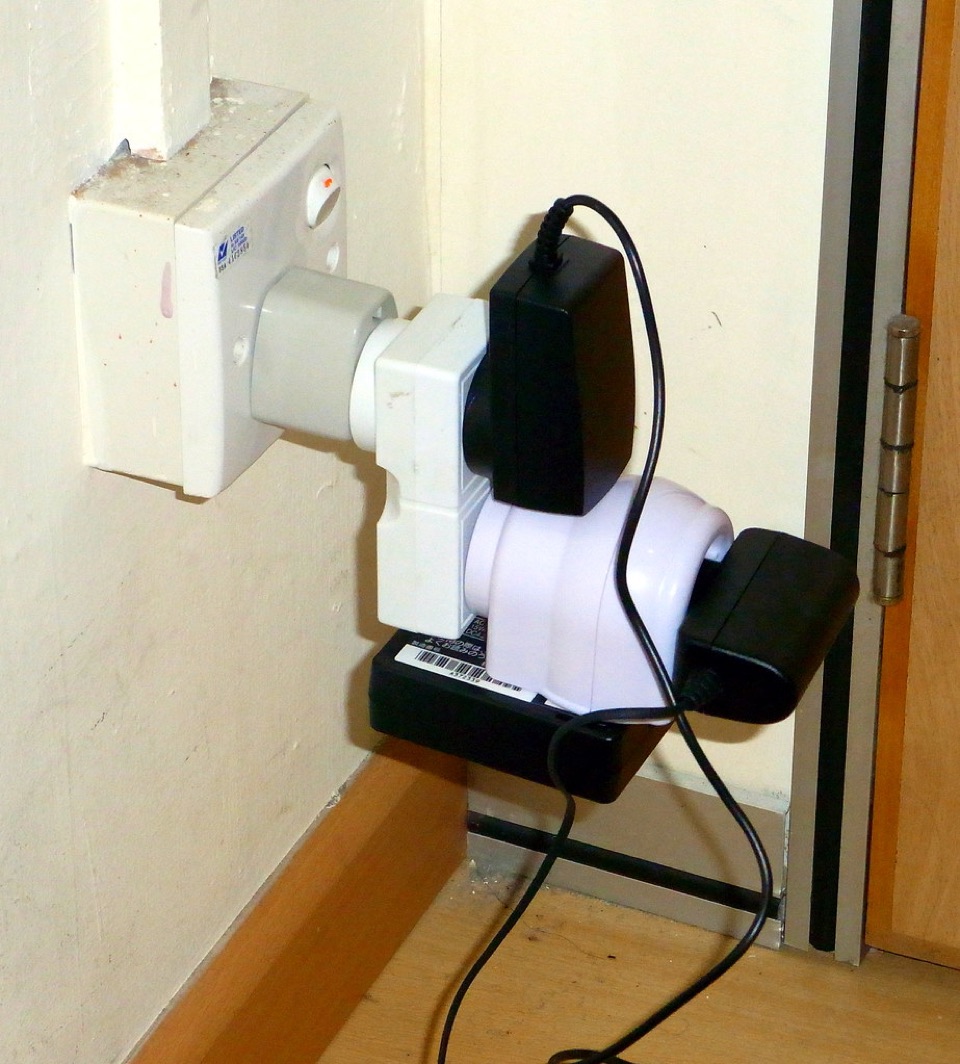
You need a qualified electrician in three situations.
A compliant panel's instructions tell you to check whether it affects your home insurance, so ring your insurer before it is delivered.
People responding to the government consultation kept raising the fire risk in older homes, especially where the wiring or its insulation has seen better days. A lot of housing here is old, so if your consumer unit has been in place a long time, get the circuit checked before you plug anything into it.
The plug is a BS 1363 type with a BS 1362 fuse link and extra contact protection, marked and labelled near the plug. The DC connectors meet BS EN 62852 and come from the manufacturer with the cables. You can only use matching pairs from the same product family, and where an adaptor forms part of a connection the manufacturer has to pre-assemble it.
Never disconnect the DC connectors under load. Switch the AC supply off before you unplug anything.
Tell us where the panel would go and what the surface is made of. We reply by email, and we say so if it will not work.
Check my addressSend it with the surface you have in mind and we will do the rest.
Five boxes: name, postcode, email, where the panel would go and what the surface is made of. You get one email back: the rule for your surface, a yearly figure, and which operator you're under.
We reply by email. Your postcode isn't passed to anyone and we don't take commission.